Sunday, January 31, 2016

My Experience using RSS feeds

This week has been quite a roller coaster ride to learn how to use RSS feeds.  I've been ready to give up but now recently I have my account and feeds!  A proud moment for me.  I am not technical at all, although many of my work colleagues would protest at this statement.  They think I know a lot about technology only because the extent of their technical tools is checking email and  posting on Facebook.

I've selected an article about the Zika virus  . This virus is transmitted by mosquitoes and is a frightening concern for the country of Brazil as its being linked to a rise in birth defects.

Public health officials are concerned because a vaccine for the Zika may not be available for many years.  Officals are also worried about the spread of the Zika virus to Florida

Let's hope our colder weather will keep the virus south of us.
Christine


Hamilton, C. (cc) 2013


RSS Feed Readers (really simple syndication)

Week three focused on RSS feed readers.  RSS means really simple syndication and its a tool to help you gather information on news and blog information.  The cool thing about RSS is the information comes to you once you have subscribed websites to the news reader. Sounds simple, doesn't it?  RSS explained by Common Craft 

Digital literacy is one of the nine elements of digital citizenship and to assume educators understand all the tools available is one of the downfalls of the digital world.  As Ribble (2015) says "even when digital technologies area readily available, too often teachers have not had adequate professional development on how to use the technology" (p. 36).  I place myself in this category.  Yes, there are endless tools to use but to learn how to use them takes time and practice.  As a working mom, my time is precious.  As I have posted previously I am not giving up on learning all the new tools but I wish the day was longer and I had the luxury of more time with less obligations.

On the other hand, I definitely can see the benefits for educators and students to have at their fingertips all the information available.It really is really simple: RSS for Educators
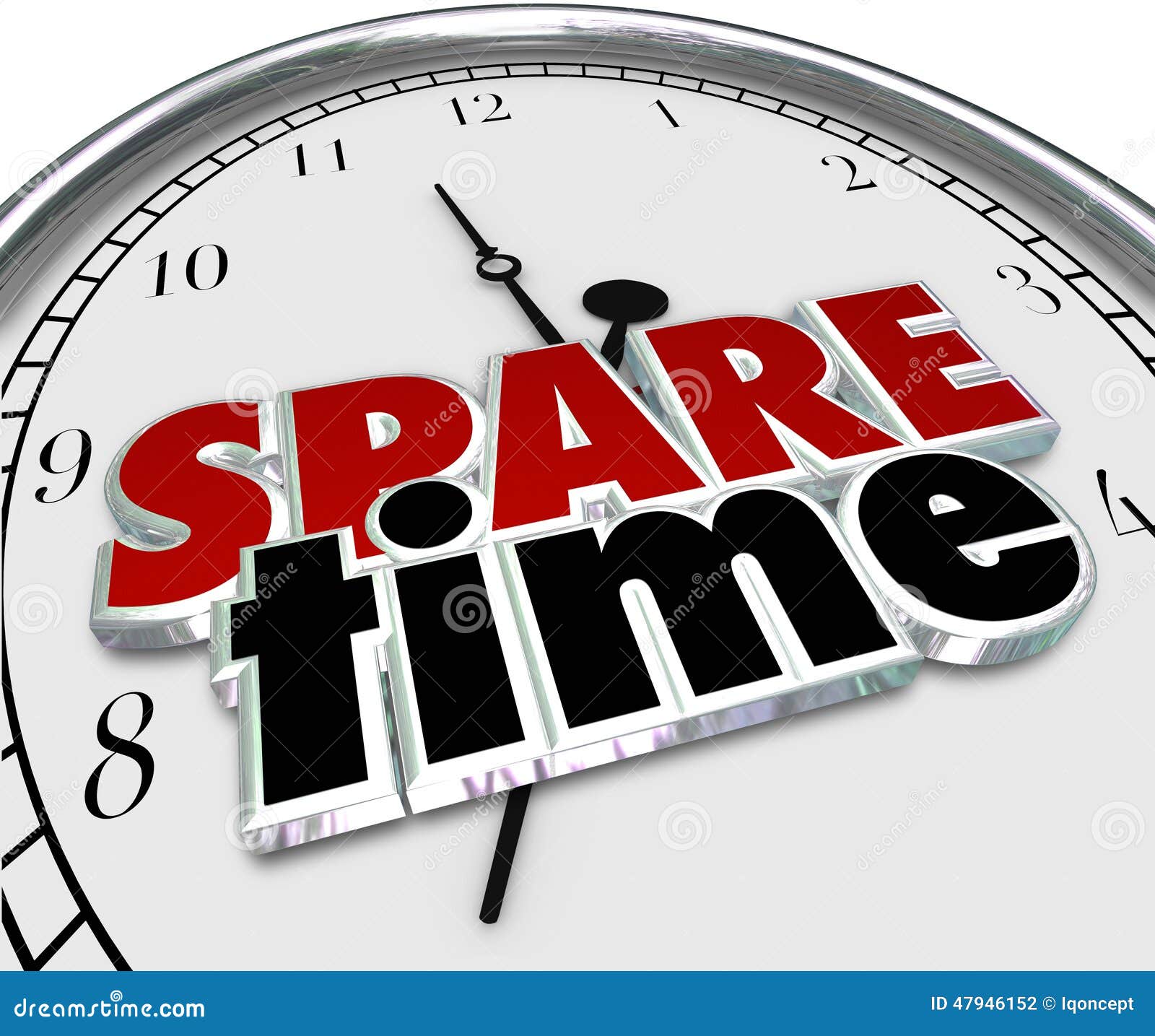
"Spare Time" (online image) retrieved from www. Dreamstime.com

 RSS feed readers are a time saver and wonderful learning tool.  It becomes a great tool for learning when dialogue between people is established where novel ideas can be displayed and shared.  Educators can monitors their students blog.  Students learn from each other and the basic principle of adult learning is demonstrate.  RSS tool is efficient, keeps students in touch with faculty and coursework. A very critical aspect of the RSS is once students have graduated they can easily and efficiently follow developments in their field of work (or study) which will be an important skill to have in the future of learning.
 7 things you should know about RSS


"The world" (online image) retrieved fromhttp://resourcesforyouth.ca/wp-content/uploads/2014/11/global-citizens.jpg
In reflection, I understand some of the benefits of the RSS reader.  It make sense to have easy access to information.  One of the difficulties I have with this tool is the possibility of becoming overwhelmed with the amount of information that could be presented depending which feeds are subscribed to.  Some information will not be of value. 
Time will be required to sift through the information.  I don't believe I can read and follow more than 10 feeds from my feed reader.  Perhaps I can.  Only time will tell.


Christine

Ribble, M. (2015).  Digital Citizenship in Schools. 3rd Edition. Oregon: ISTE


Sunday, January 24, 2016

Personal Learning Environment

Week two learning centered on PLE (personal learning environment).  This is my second posting for this week as somehow I have lost my initial second week posting, although it was saved!  Yes, very frustrating!

Honestly I didn't know what a PLE was until I read the information and viewed the videos.  It's not a new concept for me as throughout this learning journey at Brock my online forum groups have been discussing this idea but I didn't know the terminology.  Now I do!

Steve Wheeler offers some great information on the differences of a PLE versus a LMS.  Brock's Sakai is a good example of a LMS (learning management system) where the information is organized for the students.  It's not a good system for personalized learning according to Wheeler but it is traditional in the sense all the tools required for the student have been predetermined (textbook, web links, assignments etc.)  With a PLE, learning is individualized, created by and for the student. A Bridge in the Cloud  Wendy Drexler supports the PLE environment because it encourages critical thinking, digital literacy and "empowers the learner" The Networked Student
What I like about the PLE is the flexibility of the learning environment.  What discourages me about the PLE is how little I know about the tools available for learning.  It seems to be an endless array of tools to use and then to acquire knowledge how to use the tools in a safe and secure way appears to take many hours of practice.

During week two I explored Gliffy and mapping tools.  I was able to develop my own plan but alas at the moment unable to locate the file.  Okay, onto other things!  Wordle was the next tool.  I have used Wordle in the past but unable to use it this time  Maybe my Java plug-in is not up to date.  I don't know. I had more success with Tagcrowd.  It is a great way to summarize your reflective thoughts!
 Hamilton, C. (cc)  2013

I do wonder though where PLE is leading for the future of learning. Will everyone be plugged in online to learn?  Is this the best method for all people?  Aren't we assuming all people have access to the internet, have access to the computer and skills to use the web tools?

In the remote northern areas of Ontario for example, the internet relies on satellite signals. If the satellite is down due to weather, then there is no internet.  I have been lucky with my travels so far as previous interruptions with the internet have not caused me to lose precious information.  In conclusion I can see the benefits of a PLE, as it is flexible, encourages critical thinking and participation in individualized learning.  A PLE attempts to distance students from the business of education.  I cannot fully envision though a world without a physical classroom and buildings.  I hope people remain connected not only through the internet and online but physically.  Informal learning with face-to-face discussion I believe can never be replaced fully online.  At least I hope not!  I still like to get together with my friends, share stories and coffee!

Finally below is my PLE map using the Gliffy tool.  It looks a bit simplistic compared to others, however it is a honest representation of my personal learning environment.


"Gliffy Map"  Hamilton, C (cc) 2016


Here is my word cloud using Tagcrowd.  It took me some time to understand how to display this but I think with some practice I could do this again.

"Digital Footprint" (screenshot) Hamilton, C. (cc) 2016
Christine


Sunday, January 17, 2016

Digital Footprints

Thinking about my digital footprint has caused me to flip flop back and forth all week about the benefits of having one.  One thought tells me I should try to remain current and understand all the benefits of having a positive digital footprint.  It's a conscious effort to build a positive digital footprint, but how many of us have been conscious of this effort?  Unknowingly we have deposited information about ourselves not only on social media sites (which I have avoided until now) but with shopping online, using our credit cards and the data contained in surveillance cameras!


Hamilton, C. (cc) 2015
My libertarian self balks at the idea of being followed and watched so closely.  Yes, there are safety issues here and of course people involved in criminal activities can be apprehended because of digital footprints they are leaving.  But what about the rest of law abiding citizens, is it truly necessary to be watched every time you are in a public place, post a message on Facebook or send a text message?  Maybe we aren't watched every time but the opportunity exists to be watched without the knowledge of it. We are bound to make a mistake somewhere or sometime.  We aren't perfect beings.  Should our imperfections as humans be used to justify why we weren't offered a job, cannot get in programs at school because of a minor criminal charge or denied access to cross the border?

When I shift my view of digital footprints and particularly the necessity to have a positive digital footprint, I see opportunities to engage with others in a global context, to build up knowledge, collaborate and work with others, connect with peers and experts and build up a positive digital footprint that invites people to seek you out.  These connections can create your job, career, voice and opportunities that were not imaginable a few short years ago.  This aspect of a positive digital footprint makes me pause to think of possibilities! yes, you should have a digital footprint...and keep track of it

Understanding how to blog well can add to your positive digital footprint and can foster the growth of a community.  In this Brock coursework, we can grow a community of learners all striving to understand the importance of our digital footprint in today's world.  The downside is we can interpret the information we read on blogs as factual, when they are not 7 things you should know about blogs
Awareness of our responsibilities as a digital citizen is an important tool when managed properly.   I am hopeful with time and practice, I will alleviate my fears of the unknown technology and the sense I am abandoning my privacy. It will be interesting to go back and read this week one post at week twelve and see what my thoughts are then!  Scary as all this technology can be with the sense of losing oneself in it, I'm sure this learning experience will conquer most of my fears.  We'll see.

Christine